Your tendencies
Review your positioning, timing, equipment choices and tactical outcomes across events.
RACE DAY, IN FULL VIEW
The Omnium Day Coach is TRI's flagship experience: reassess the competition after each result and decide what to do next. For standalone races or mixed programs, use event-specific coaching without assuming an overall points classification.
Explore the simulated demo ↗The interface panels below are illustrations, not screenshots of the TRI app.
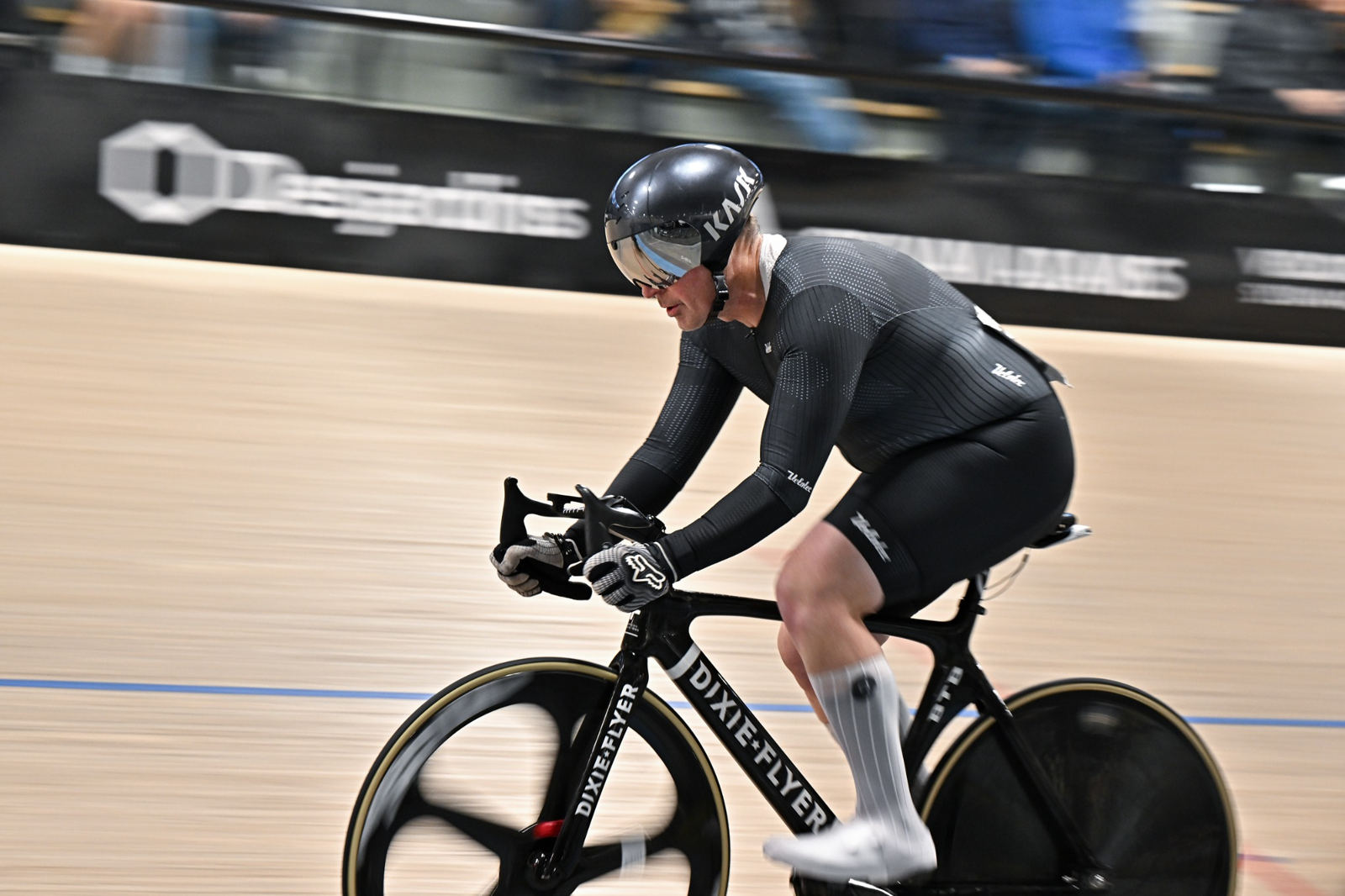
THE COMPETITIVE ADVANTAGE · IN DEVELOPMENT
TRI aims to connect three kinds of evidence to make future race plans more specific. This is the product direction; the beta has not established comprehensive opponent profiling or automatic tactical prediction.
Review your positioning, timing, equipment choices and tactical outcomes across events.
Use verified results and attributed race observations to build cautious, revisable profiles of familiar competitors.
Look for repeat encounters: who has forced you out of position, which moves you anticipated and what response might be worth testing.
Illustrative scenario, not a live opponent prediction: You have twice lost position when a familiar rival accelerated before the Elimination bell. If those observations are recorded and reliable, TRI could suggest moving earlier and protecting your line next time. Two encounters are a clue, not proof of a fixed rider behavior.
BUILT FOR YOUR RACE PROGRAM
Choose the context that matches the competition. An Omnium needs cumulative standings and a points strategy; standalone races need focused event-specific coaching and results.
Follow the overall classification, scoring gaps, remaining events and podium implications between races.
Prepare for a single event, record its result and decisions, and use the experience to inform future racing.
Keep separate heats or events organized on the same day, each with its own race-specific priorities and outcomes.
Availability and workflow details should be confirmed against the current app beta; this page describes the intended race-day experience.
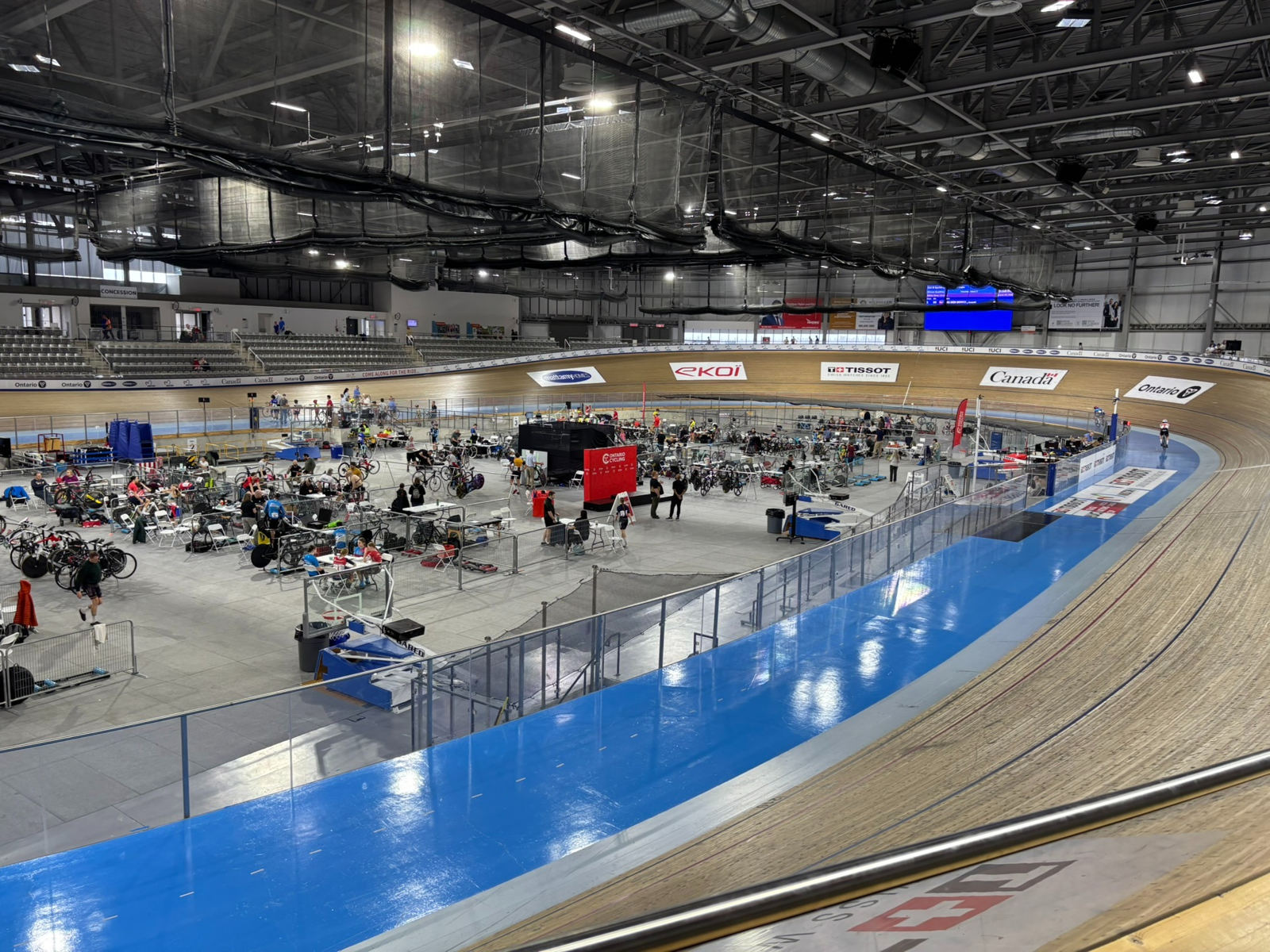
Organize the competition context so the next decision starts with the right event, goals and available evidence—not a blank coaching conversation.
Record the result and one useful tactical observation quickly, so the next-race advice can respond to what actually happened. Add detail later.
For an Omnium, see event placing alongside points and cumulative totals, including gaps when results support them. For standalone races, focus on individual event results rather than a nonexistent overall classification.
−4 pts to leader · −2 pts to 2nd
Reassess the rider's achievable objective after each event using available standings, opponent context and race observations. Then focus on a specific tactical priority for the next start. The website illustration is scripted, not a verified live recommendation.
“I’m third overall heading into the elimination. What’s my tactical priority?”
Stay attached to the front group before the bell. Protect position early so you can choose your line when the pace lifts.
Illustrative scripted example · not live AIUse past results, gearing and race observations to recognize patterns that may improve future decisions. The longer-term goal is to connect your own history with specific competitor encounters so the next tactical decision improves. Stored history is supporting evidence, not the product's end goal.
Sample note: moved before the bell, then lost one place in the final sprint.
Post-race review of selected clips — such as keirin final laps, scratch positioning, elimination decisions, match sprint tactics or Flying 200 technique — is planned for a future Pro experience. It is not available for purchase or public processing today.